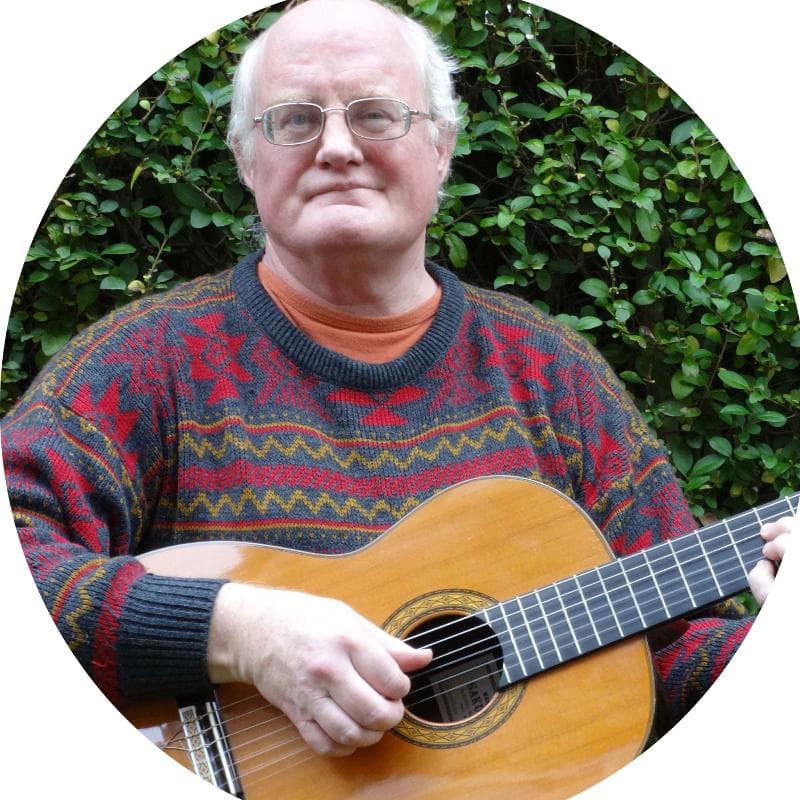
henry purcell, david warin solomons
Dido's Lament - When I am laid in earth - arranged for alto saxophone and guitar (arr. David Warin Solomons)
Preço
Description
Audio preview
Additional details
- Provider: Sheet Music Direct
- Instrument: Alto Saxophone, Guitar
- Publisher: David Warin Solomons
More information
Discover key insights about the composition, arrangement, and composer, see what's included, and find information to enhance your practice and performance.
Henry Purcell's "Dido's Lament," formally known as "When I am laid in earth," stands as one of the most poignant and enduring arias in the operatic repertoire. Originally composed in the late 17th century (circa 1689) for his opera Dido and Aeneas, this lament encapsulates the sorrow and resignation of Queen Dido as she prepares for death, betrayed by her lover, Aeneas. Its simple yet profound melody, coupled with the aria's evocative harmonic structure, has resonated with audiences for centuries.
This particular arrangement, skillfully crafted by David Warin Solomons, reimagines "Dido's Lament" as an instrumental duet for alto saxophone and guitar. This instrumentation offers a fresh perspective on the aria, highlighting the melodic beauty and emotional depth of Purcell's original composition. The alto saxophone, with its rich and expressive tone, takes on the role of Dido's voice, while the guitar provides a delicate and supportive harmonic foundation.
Imagine the scene: a darkened concert hall, the soft glow of stage lights illuminating the musicians. The haunting melody of the alto saxophone fills the air, weaving a tale of love, loss, and despair. The guitar gently accompanies, its delicate chords adding layers of texture and emotion to the lament. This arrangement is perfect for intimate recitals, chamber concerts, or even as a reflective piece for personal enjoyment.
Whether you are a seasoned performer or an enthusiastic amateur, this arrangement of "Dido's Lament" offers a rewarding musical experience. It allows you to explore the timeless beauty of Purcell's music in a new and engaging way, while also providing an opportunity to showcase your skills on the alto saxophone and guitar. Discover the emotional power of this iconic aria and bring its timeless message of love and loss to life.
Related sheet music
Airs En Guise D'Etudes (25)

Les classiques favoris - Volume debutants
\n
D'une melodie a l'autre - Volume 4

Poco forte - Volume 2
We Three Kings
29 Opera Arias For Tenors
various

The Recorder Book
various, steve rosenberg
Pianissimo

Repertoire de Melodies - Volume 1
marguerite labrousse
Pianissimo
beatrice quoniam
D'une melodie a l'autre - Volume 3
New · Grammar of Music
Understand the music behind every score
Grammar of Music is our new interactive music theory system. Every interval, chord and progression plays as you read, so you train your ear while you learn — and every score you pick up starts to make sense.
- Hear every concept, not just read it
- Chord dictionary, circle of fifths and more
- Guided courses from basics to harmony
No account needed to get started.