Unavailable
Rejoice, East and West is currently unavailable
We can no longer provide this arrangement through Sheet Music Stores. The listing stays online so you can learn about the piece and explore alternatives.
Try these next steps
- Discover similar sheet music curated for you below.
- Search for “Rejoice, East and West” across our catalog.
About this arrangement
Orchestra Cello, Contrabass, Piano, Viola, Violin 1, Violin 2, Violin 3 - Grade 1.5 SKU: CF.FAS115F Composed by Deborah Baker Monday. Sws. Carl Fischer First Plus String Orchestra Series. Full score. 8 pages. Duration 2 minutes, 6 seconds. Carl Fischer Music #FAS115F. Published by Carl Fischer Music (CF.FAS115F). ISBN 9781491154885. UPC: 680160913435. 9 x 12 inches. Key: E minor.Rejoice, East and West pairs two of the most popular holiday pieces. "O Come, O Come Emmanuel" is one of the staples of music for the season of Advent. Its plaintive melody represents the subdued tone of Advent, waiting and anticipating during the four weeks before Christmas Day. The modal character has roots in Ancient Greece and is characteristic of the music from Middle Eastern countries. The melody of "Joy to the World" is attributed to George Frideric Handel. It first appeared in 1719 in a collection by Isaac Watts, who adapted the text. It is one of the most published Christmas hymns in North America and is one of the most iconic songs for celebrating the birth of Christ. The connection between these two contrasting pieces is "rejoice." In "Emmanuel" the modal tones arrive at a major chord and the words exclaim "Rejoice, rejoice!" This is where a bridge is composed to arrive at a jubilant introduction of "Joy to the World." This arrangement teaches students dynamic contrast, tempo changes, slurs and ties.Rejoice, East and West pairs two of the most popular holiday pieces. “O Come, O Come Emmanuel” is one of the staples of music for the season of Advent. Its plaintive melody represents the subdued tone of Advent, waiting and anticipating during the four weeks before Christmas Day. The modal character has roots in Ancient Greece and is characteristic of the music from Middle Eastern countries. The melody of “Joy to the World” is attributed to George Frideric Handel. It first appeared in 1719 in a collection by Isaac Watts, who adapted the text. It is one of the most published Christmas hymns in North America and is one of the most iconic songs for celebrating the birth of Christ. The connection between these two contrasting pieces is “rejoice.” In “Emmanuel” the modal tones arrive at a major chord and the words exclaim “Rejoice, rejoice!” This is where a bridge is composed to arrive at a jubilant introduction of “Joy to the World.” This arrangement teaches students dynamic contrast, tempo changes, slurs and ties.
Related sheet music

All Hail the Power of Jesus' Name (Downloadable)
anna laura page

I Sing the Mighty Power of God (Downloadable)
anna laura page

The Church's One Foundation (Downloadable)
anna laura page
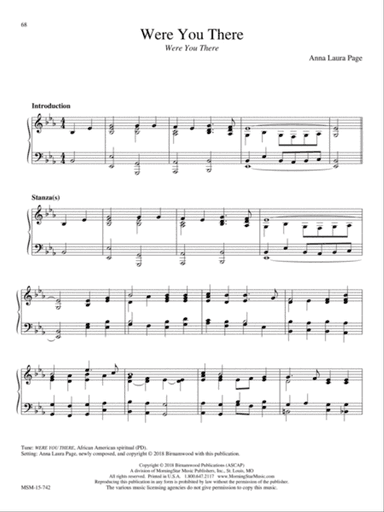
Were You There (Downloadable)
anna laura page

O God Beyond All Praising (Downloadable)
anna laura page
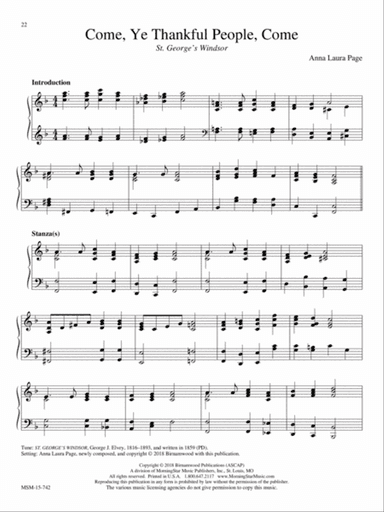
Come, Ye Thankful People, Come (Downloadable)
anna laura page
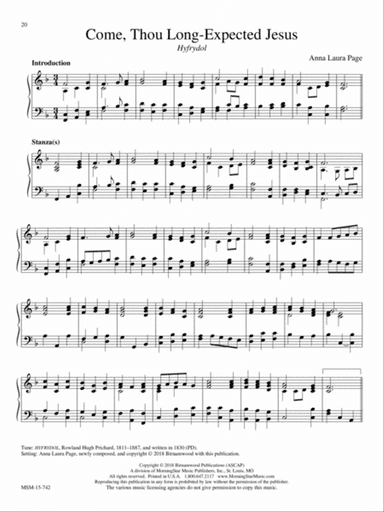
Come, Thou Long Expected Jesus (Downloadable)
anna laura page
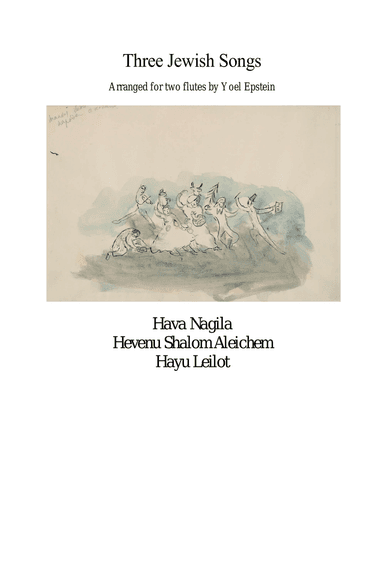
Three Jewish songs for two flutes
various

Jesus Shall Reign (Downloadable)
anna laura page
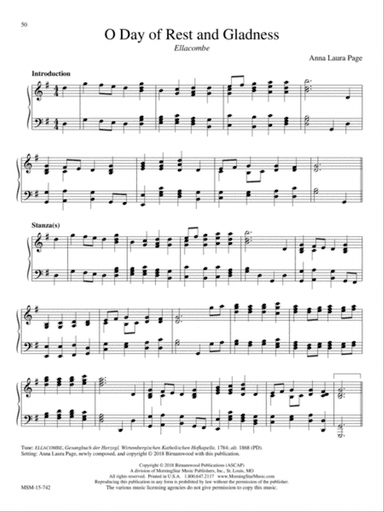
O Day of Rest and Gladness (Downloadable)
anna laura page
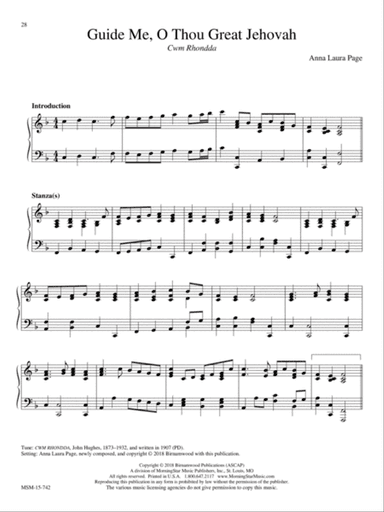
Guide Me, O Thou Great Jehovah (Downloadable)
anna laura page

Be Thou My Vision (Downloadable)
anna laura page
New · Grammar of Music
Understand the music behind every score
Grammar of Music is our new interactive music theory system. Every interval, chord and progression plays as you read, so you train your ear while you learn — and every score you pick up starts to make sense.
- Hear every concept, not just read it
- Chord dictionary, circle of fifths and more
- Guided courses from basics to harmony
No account needed to get started.